Introduction: Why UPPSC PCS Is the Dream of 25 Lakh Aspirants
Uttar Pradesh is India's most populous state — 25 crore people, 75 districts, and an administrative machinery that requires thousands of officers to run efficiently.
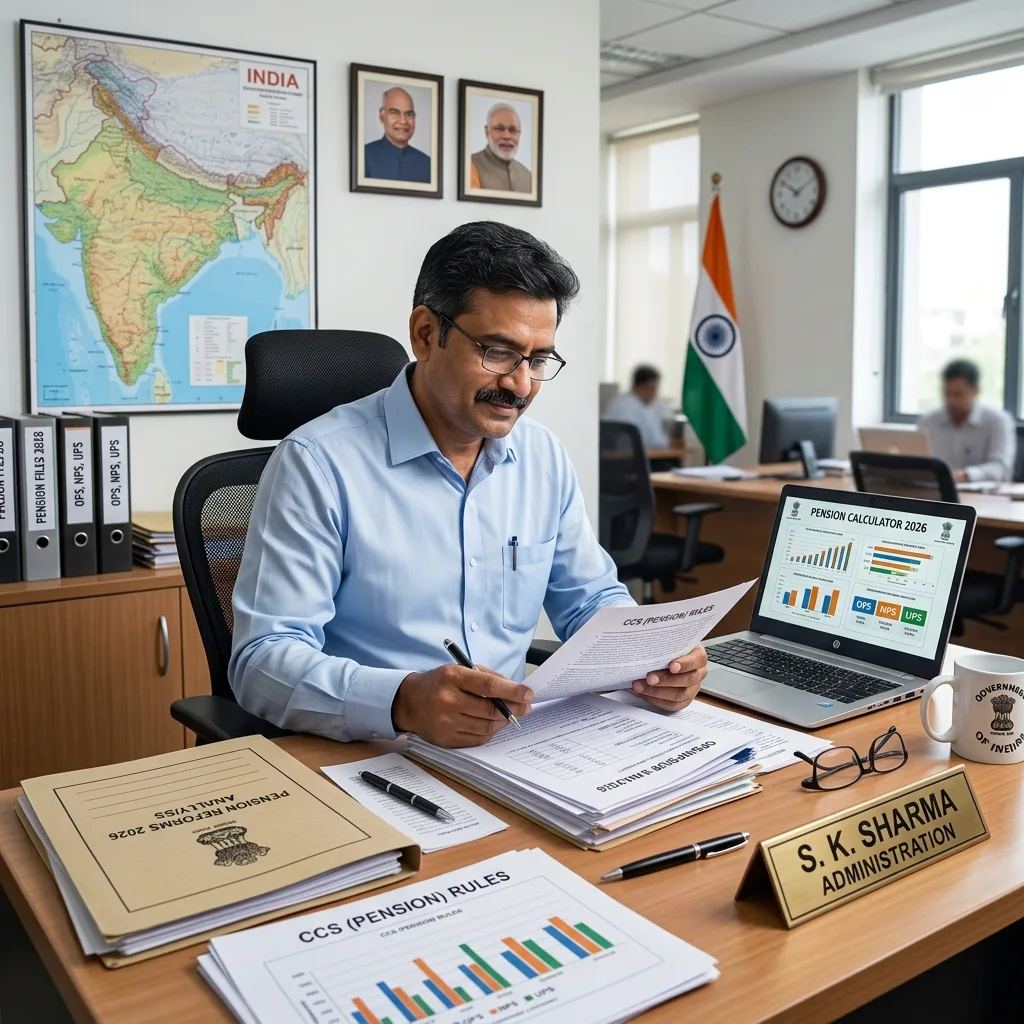
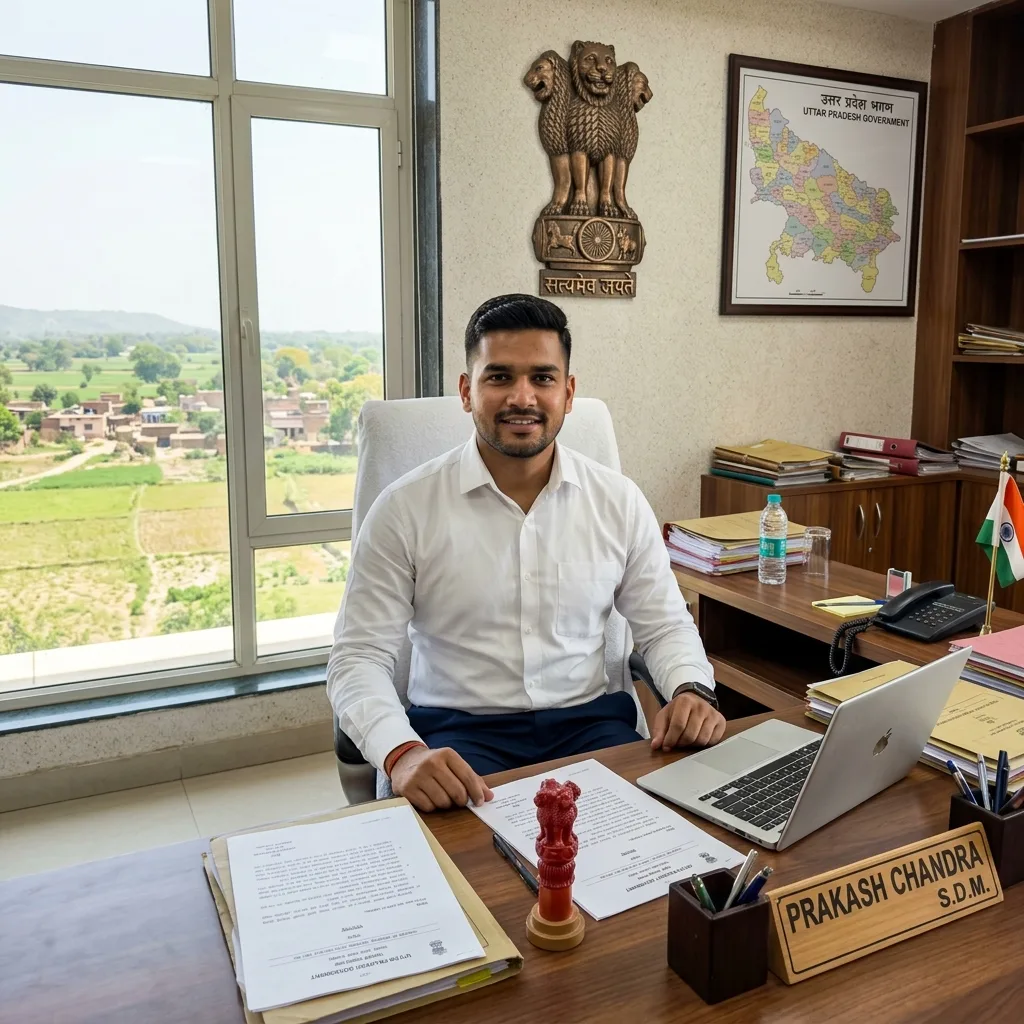
The UPPSC PCS (Provincial Civil Services) examination is the gateway to becoming one of those officers. A successful PCS officer starts as a Sub-Divisional Magistrate (SDM) — with the power to conduct elections, handle land disputes, maintain law and order, and directly serve millions of people in their district.
By the time a PCS officer reaches the peak of their career, they may be a Divisional Commissioner, Principal Secretary, or even Chief Secretary of Uttar Pradesh — the most senior bureaucratic position in India's largest state.
UPPSC PCS 2026 key facts:
- Vacancies: Approximately 500 posts (Group A and Group B)
- Application deadline: July 27, 2026 — apply now at uppsc.up.nic.in
- Prelims date: December 6, 2026
- Eligibility: Any graduate from a recognised university
- Age: 21–40 years (with standard relaxations for SC/ST/OBC/PwBD)
This guide covers everything — from how to apply, to what the SDM job actually looks like day-to-day, to how to prepare in 6 months for the new 2026 pattern.
Part 1: UPPSC PCS 2026 — Complete Notification Details
Important Dates:
| Event | Date |
|---|---|
| Notification Release | June 25, 2026 |
| Online Application Start | June 25, 2026 |
| Last Date to Apply | July 27, 2026 |
| Fee Payment Deadline | July 27, 2026 |
| Correction Window | August 3, 2026 |
| Admit Card (Prelims) | November 2026 |
| Prelims Exam | December 6, 2026 |
| Mains Exam (Expected) | April–May 2027 |
| Interview (Expected) | September–October 2027 |
| Result and Joining | 2028 |
Vacancy Details (UPPSC PCS 2026):
| Category | Posts (Approximate) |
|---|---|
| Group A (Gazetted Officer) | 300+ posts |
| Group B (Gazetted Officer) | 150+ posts |
| Total | ~500 posts |
Major Group A Posts in UPPSC PCS 2026:
| Post | Department | Pay Level |
|---|---|---|
| Sub-Divisional Magistrate (SDM) | Revenue | Level 10 |
| Deputy Superintendent of Police (DSP) | Police | Level 10 |
| Block Development Officer (BDO) | Rural Development | Level 10 |
| Assistant Commissioner of Commercial Tax | Commercial Tax | Level 10 |
| District Minority Welfare Officer | Minority Welfare | Level 10 |
| Assistant Director (Social Welfare) | Social Welfare | Level 10 |
| Deputy Superintendent (Jail) | Jail Department | Level 10 |
| District Basic Education Officer | Education | Level 10 |
| Finance and Accounts Officer | Finance | Level 10 |
| Treasury Officer | Treasury | Level 10 |
Eligibility Criteria:
| Parameter | Requirement |
|---|---|
| Educational Qualification | Bachelor's degree in any stream from a recognised university |
| Age (General) | 21–40 years (as of July 1, 2026) |
| Age (OBC) | 21–43 years |
| Age (SC/ST) | 21–45 years |
| Age (PwBD General) | 21–55 years |
| Age (Ex-Serviceman) | Up to 5 years additional (as per UP government rules) |
| Domicile | Must be UP domicile for most reserved category posts |
| Nationality | Indian citizen |
Application Fee:
| Category | Fee |
|---|---|
| General / EWS | Rs.125 |
| OBC (NCL) | Rs.125 |
| SC / ST (UP domicile) | Rs.65 |
| PwBD | Rs.25 |
Part 2: UPPSC PCS 2026 — New Exam Pattern (Major Change)
The UPPSC PCS 2026 follows an updated pattern where the optional subject has been completely removed from the Mains examination. This is a landmark change from earlier PCS exams:
Stage 1: Preliminary Examination
| Paper | Marks | Duration | Type |
|---|---|---|---|
| Paper 1 — General Studies | 150 | 2 hours | Objective (MCQ) |
| Paper 2 — CSAT | 100 | 2 hours | Objective (MCQ) — Qualifying only (33% minimum) |
Paper 1 (Merit Paper) Topics:
- History of India and Indian National Movement
- Indian and World Geography (physical, social, economic)
- Indian Polity and Governance (constitution, political system, panchayati raj)
- Economic and Social Development (sustainable development, poverty, inclusion)
- Environment and Ecology
- General Science
- Current Events of national and international importance
- UP-specific current affairs (important for GS Paper 1)
CSAT (Paper 2) Topics — Qualifying:
- Comprehension (English and Hindi passages)
- Interpersonal skills including communication
- Logical reasoning and analytical ability
- Decision-making and problem-solving
- General mental ability
- Basic numeracy (Class 10 level)
Stage 2: Mains Examination (8 Papers — Total 1500 Marks + Interview 100)
| Paper | Subject | Marks |
|---|---|---|
| Paper 1 | General Hindi | 150 |
| Paper 2 | Essay | 150 |
| Paper 3 | General Studies I (Indian Heritage, History, Geography, Disaster Management) | 200 |
| Paper 4 | General Studies II (Governance, Constitution, Polity, Social Justice, IR) | 200 |
| Paper 5 | General Studies III (Technology, Economy, Environment, Agriculture, Security) | 200 |
| Paper 6 | General Studies IV (Ethics, Integrity, Aptitude) | 200 |
| Paper 7 | General Studies V — UP Specific (History, Culture, Governance, Society) | 200 |
| Paper 8 | General Studies VI — UP Specific (Economy, Environment, Development) | 200 |
| Interview | Personality Test | 100 |
| Total | 1600 |
The Big Change: In older UPPSC PCS pattern, Paper 7 and 8 were "Optional Subject" (candidates chose 1 optional like History, Geography, Public Administration, Sociology). Now these are replaced by two compulsory UP-specific papers (GS V and GS VI). This levels the playing field — everyone writes the same papers.
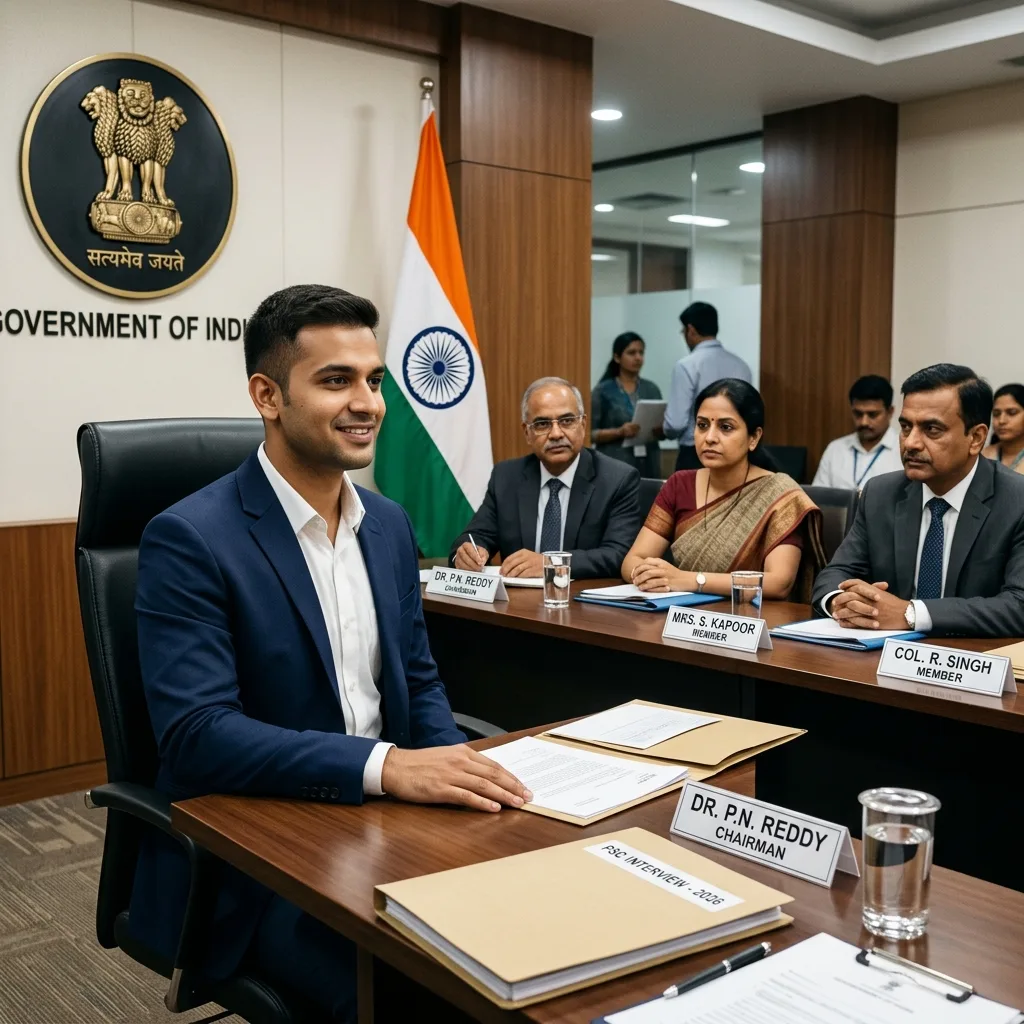
Stage 3: Personality Test / Interview
- Maximum marks: 100
- Conducted at UPPSC Allahabad headquarters
- Panel typically includes UPPSC chairman, members, and subject experts
- Duration: 20–30 minutes per candidate
- Language: Hindi or English (candidate's choice)
Part 3: GS Paper 5 and GS Paper 6 — The New UP-Specific Papers (Complete Syllabus)
These two papers are the biggest change in UPPSC PCS 2026 and represent the biggest opportunity for well-prepared candidates:
GS Paper 5 — UP History, Culture, Governance, and Society (200 Marks):
Section A: History, Culture, and Heritage of Uttar Pradesh
- Ancient history of UP — Harappan sites in UP (Alamgirpur, Hulas), Vedic period, Mahajanapadas (Kosala, Vatsa, Kashi)
- Maurya and Gupta empire in UP — Pataliputra connections, Buddhism in UP (Sarnath, Kushinagar)
- Medieval history — Delhi Sultanate in UP, Mughal Empire in Agra and Fatehpur Sikri, Awadh Nawabs
- Modern history — 1857 Revolt in UP (Jhansi, Kanpur, Lucknow), UP in freedom movement, role of Lucknow and Allahabad
- Art and architecture — Taj Mahal, Red Fort Agra, Imambara Lucknow, Buddhist stupas
- UP languages — Hindi, Braj, Awadhi, Bhojpuri, Urdu literary traditions
- Folk culture — Ramlila, Nautanki, Rasiya, Kajri, Birha — UP folk arts
- Religious and cultural sites — Mathura, Vrindavan, Ayodhya, Varanasi, Prayagraj, Naimisharanya
Section B: Political System and Governance
- UP Legislative Assembly — structure, functioning, session, speaker's role
- Chief Minister and Council of Ministers — formation, powers
- Governor's role in UP — appointment, powers, Article 356
- Panchayati Raj in UP — three-tier system, Gram Pradhan, Kshettra Panchayat, Zila Panchayat
- Urban Local Bodies — Nagar Panchayat, Nagar Palika Parishad, Nagar Nigam
- District administration — DM, ADM, SDM, Tehsildar hierarchy and powers
- Revenue administration — land records, khasra, khatauni, mutation
- Law and order — UP Police structure, SP, ASP, Circle Officer
- Major government schemes in UP — Kanya Sumangala, One District One Product (ODOP), UP Investors Summit
Section C: Social Issues and Development
- Poverty in UP — BPL population, NFHS data
- Education — UPMSP (UP Secondary Education Board), BTC/DELED teachers, RTE
- Health — UP health indicators, ASHA workers, UP NHM
- Women empowerment — UP Mahila Samakhya, violence against women
- SC/ST welfare — UP SC/ST Commission, welfare schemes
- Minorities in UP — Waqf Board, Madrasa Board
- Communal harmony and law — Article 25-30, UP anti-conversion law
GS Paper 6 — UP Economy, Environment, Agriculture, and Development (200 Marks):
Section A: Economy of UP
- UP state GDP — position among Indian states
- UP Budget 2026-27 — key allocations, revenue, expenditure
- One District One Product (ODOP) scheme — all 75 districts' products
- Industrial development — Expressways Industrial Corridor, UP Defence Corridor, Gorakhpur Fertiliser Plant
- MSMEs in UP — Agra leather, Varanasi silk, Moradabad brass, Ferozabad glass
- Infrastructure — Purvanchal Expressway, Bundelkhand Expressway, Ganga Expressway
- FDI and investors — UP Investors Summit 2023, 33 lakh crore investment proposals
- Banking and finance — UP's credit-deposit ratio, cooperative banks
Section B: Agriculture in UP
- UP's contribution to national food production — sugarcane, wheat, potato
- Irrigation — UP canal system, Sardar Sarovar links, minor irrigation
- Agriculture schemes — PM-KISAN in UP, Mukhyamantri Kisan Sahayata Yojana
- Horticulture — Lucknow mango, Amroha mango, Varanasi vegetable cluster
- Farmer distress — MSP in UP, cooperative sugar mills, debt waiver history
- Animal husbandry — UP's milk production (largest dairy state), Bhadawari buffalo
Section C: Environment and Ecology in UP
- Forest cover in UP — Tiger reserves (Dudhwa, Pilibhit, Ranipur), National Parks
- Ganga — UP stretch of Ganga, Namami Gange in UP, Yamuna pollution
- Air quality — UP's most polluted cities, UPCPCB, stubble burning issue
- Climate change impact on UP agriculture — rainfall pattern changes
- Renewable energy — UP solar power parks, wind energy
- UP pollution control — UPCPCB, industrial pollution, Kanpur tanneries
Part 4: What Does an SDM Actually Do? — Day in the Life
Most aspirants study for PCS without fully understanding what the job looks like. Here is an honest, detailed picture of SDM work:
SDM Powers and Responsibilities:
An SDM (Sub-Divisional Magistrate) is an IAS/PCS officer posted as head of a sub-division — a unit within a district (each UP district typically has 2–4 sub-divisions):
As Executive Magistrate (Under CrPC Section 20):
- Issue prohibitory orders under Section 144 CrPC (banning gatherings of 5+ people during communal tension, protests)
- Grant arms licenses
- Conduct inquests in case of unnatural deaths
- Grant permission or refusal for processions, rallies, cultural programs
- Adjudicate domestic violence cases under Protection of Women from Domestic Violence Act
- Handle matters related to nuisance (noise, encroachment, public hygiene)
As Revenue Officer:
- Hear and decide land-related appeals
- Conduct land acquisition proceedings
- Supervise and verify land records (khasra, khatauni, mutation)
- Revenue recovery proceedings
- Flood compensation distribution
As Returning Officer (During Elections):
- Oversee polling station setup in sub-division
- Manage electronic voting machines (EVMs)
- Handle complaints from candidates and political parties
- Ensure peaceful, fair, and transparent elections
As Disaster Management Officer:
- Lead relief operations during floods (UP has severe annual flood problem)
- Coordinate with NDRF, SDRF, District Disaster Management Authority
- Distribution of food, medicine, and evacuation of flood-affected areas
- Compensation assessment and distribution
A Typical SDM's Day:
Morning (8:00 AM – 11:00 AM):
- Review overnight law and order reports from Circle Officers and thana (police station) in-charges
- Court hours — hearing land dispute cases, Section 144 applications, arms license appeals
- Meeting with tehsildars for revenue matters
Afternoon (11:00 AM – 2:00 PM):
- Field visit (jansunwai — public hearing where citizens directly present grievances)
- Inspection of government schemes — check if PMAY houses are being built, MGNREGS work is happening
- Site inspection for road, school, hospital construction
Evening (2:00 PM – 6:00 PM):
- Administrative work — signing orders, reviewing files
- Meeting with police CO (Circle Officer) on law and order
- Coordinating with BDO on rural development schemes
- Disaster preparedness — especially during monsoon season
Beyond Office Hours:
- Night visits to check if curfew is being followed during sensitive periods
- Emergency calls — floods, communal incidents, VIP visits to the district
- The SDM's phone is always on — 24/7 availability is a reality of government service
SDM Perks and Official Benefits:
| Benefit | Details |
|---|---|
| Government Residence | 3–4 BHK official bungalow (SDM Niwas) in sub-division headquarters |
| Official Vehicle | Government car with driver — 24/7 availability |
| Staff | Peon, chowkidar, sahayak, and clerk — official support staff |
| Security | Armed constable escort (especially in sensitive areas) |
| Telephone | Official landline and mobile with government connection |
| Medical | CGHS equivalent state health scheme |
| Leave | Earned Leave, Casual Leave as per UP service rules |
| Prestige | District officials, politicians, police — all defer to SDM in sub-division |
Part 5: UPPSC PCS Post-Wise Salary — SDM, DSP, BDO, and All Posts
Complete Salary Structure (7th Pay Commission — UP State):
| Post | Pay Level | Basic Pay | DA (60%) | HRA (16% X city) | TA | Total In-Hand |
|---|---|---|---|---|---|---|
| SDM | Level 10 | Rs.56,100 | Rs.33,660 | Rs.8,976 | Rs.3,600 | Rs.95,000–1,05,000 |
| DSP | Level 10 | Rs.56,100 | Rs.33,660 | Rs.8,976 | Rs.3,600 | Rs.92,000–1,02,000 |
| BDO | Level 10 | Rs.56,100 | Rs.33,660 | Rs.8,976 | Rs.3,600 | Rs.90,000–1,00,000 |
| Commercial Tax AsstCommr | Level 10 | Rs.56,100 | Rs.33,660 | Rs.8,976 | Rs.3,600 | Rs.90,000–1,00,000 |
| Treasury Officer | Level 10 | Rs.56,100 | Rs.33,660 | Rs.8,976 | Rs.3,600 | Rs.88,000–98,000 |
HRA Note: SDMs get government housing (official bungalow) — so HRA is not paid separately. The bungalow's market rental value in the city is Rs.15,000–40,000/month — this is an additional tax-free benefit.
Real Monthly Take-Home for UPPSC PCS Officer (Lucknow Posting):
| Component | Amount |
|---|---|
| Basic Pay (Level 10, first increment) | Rs.56,100 |
| Dearness Allowance (60%) | Rs.33,660 |
| House Rent Allowance | Rs.0 (official bungalow provided instead) |
| Transport Allowance | Rs.3,600 |
| Medical Allowance | Rs.1,000 |
| Gross Salary | Rs.94,360 |
| Less: NPS (10% of Basic + DA)** | -Rs.8,976 |
| Less: Income Tax** | -Rs.6,000 |
| Net In-Hand | Rs.79,384/month |
Plus Hidden Benefits (Monthly Economic Value):
- Government bungalow (3 BHK in Lucknow): Rs.25,000–40,000/month
- Government car with driver: Rs.15,000–20,000/month
- Staff salary (peon, sahayak): Rs.5,000–8,000/month (government pays)
- Total monthly economic value: Rs.79,384 + Rs.45,000–68,000 = Rs.1,24,000–1,47,000/month
Career Progression — Salary at Every Level:
| Designation | Pay Level | Approx In-Hand | Typical Years to Reach |
|---|---|---|---|
| SDM / DSP (Entry) | Level 10 | Rs.80,000–1,05,000 | 0 years (joining) |
| City Magistrate / CO | Level 11 | Rs.95,000–1,20,000 | 5–8 years |
| ADM / ASP | Level 12 | Rs.1,15,000–1,45,000 | 10–14 years |
| DM / SP | Level 13 | Rs.1,55,000–1,90,000 | 16–22 years |
| Divisional Commissioner / DIG | Level 14 | Rs.2,00,000–2,40,000 | 22–28 years |
| Additional CS / ADGP | Level 15 | Rs.2,50,000–3,00,000 | 28–33 years |
| Principal Secretary / DGP | Level 16 | Rs.2,80,000–3,20,000 | 32–36 years |
| Chief Secretary | Level 17 | Rs.3,00,000–3,60,000 | 36–40 years |
Part 6: PCS to IAS — The Promotion Route Every PCS Aspirant Must Know
One of the most powerful features of PCS service is the ability to be promoted to the Indian Administrative Service (IAS) — the All-India Service — after serving a minimum period in PCS:
How PCS to IAS Promotion Works:
This is called the "State to IAS" or "Non-IAS to IAS" route:
Eligibility:
- Must have served a minimum of 8 years in a state civil service gazetted post
- Must be below 54 years of age
- Must not have any disciplinary case pending
Process:
- Department of Personnel and Training (DoPT) Central Government opens a quota for state cadre PCS officers
- UP Government nominates eligible PCS officers based on seniority and service record
- UPSC conducts a selection process (no written exam — only service record and departmental assessment)
- Selected PCS officers are inducted into IAS with a specific seniority date
Quota: Approximately 33% of IAS vacancies in each state cadre must be filled by promotion from state civil services. For UP (which has a large IAS cadre), this means 20–30 PCS officers are promoted to IAS every year.
What Happens After Induction:
- You become an IAS officer with permanent IAS status
- Your seniority is fixed as "State Civil Service (SCS) officer inducted into IAS"
- You become eligible for Central Deputation, Joint Secretary-level posts at GoI
- Your pension and service benefits are equivalent to IAS
- Designation changes from "SDM" to "IAS" on all official documents
PCS vs IAS — After Induction Comparison:
| Factor | PCS (Before Induction) | IAS (After Induction) |
|---|---|---|
| Service | State cadre only | Can serve in state + Central deputation |
| Promotion Ceiling | State Chief Secretary | Can reach Joint Secretary/Additional Secretary at Centre |
| Posting Authority | State government decides all postings | DoPT (Central) for Central posting; State for state posting |
| All-India Transfer | No | Yes — can be posted to any state |
| Prestige | Very high within state | Highest in IAS cadre |
| Political Engagement | At state level | At national level (Central secretariat) |
Success stories: Many outstanding UP IAS officers — including several Cabinet Secretaries to the GOI — started their careers as UP PCS officers and were later inducted into IAS after 8–12 years of distinguished service.
Part 7: DSP Career — Powers, Responsibilities, and Growth
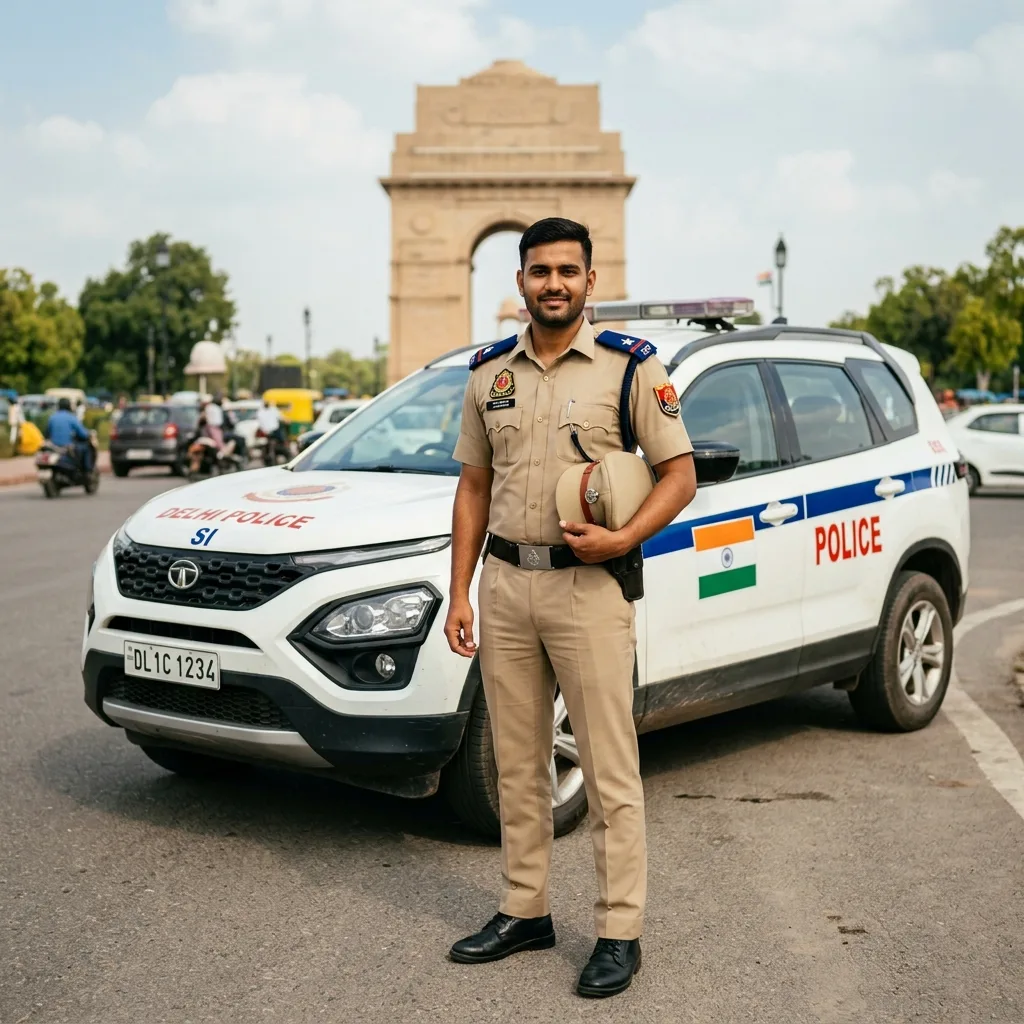
The Deputy Superintendent of Police (DSP) is the police equivalent of the SDM in PCS. Understanding the DSP career helps aspirants choose their preferred allocation:
DSP Powers and Functions:
| Power | Details |
|---|---|
| Supervisory Authority | Supervisory authority over all Circle Officers (Inspector rank) and Sub-Inspectors in their jurisdiction |
| Crime Investigation | Investigates major cases — murder, organised crime, financial fraud |
| Law and Order | Commands police forces during riots, strikes, large public gatherings |
| Legal Powers | Can directly arrest without warrant in cognisable offences |
| Report Writing | Files reports to Superintendent of Police (SP) on law and order |
| VIP Security | May be assigned as security officer for senior politicians and government officials |
| Anti-Mafia Operation | In UP, DSP leads district anti-mafia task forces (Yogi government's priority) |
DSP Career Progression:
| Rank | Years to Reach | Pay Level | In-Hand |
|---|---|---|---|
| DSP (Dy. SP) | Entry | Level 10 | Rs.85,000–1,00,000 |
| ASP (Addl. SP) | 8–12 years | Level 12 | Rs.1,10,000–1,35,000 |
| SP (Superintendent of Police) | 14–18 years | Level 13 | Rs.1,50,000–1,85,000 |
| SSP (Sr. SP) | 18–22 years | Level 13–14 | Rs.1,70,000–2,10,000 |
| DIG | 22–27 years | Level 14 | Rs.2,00,000–2,40,000 |
| IG | 26–31 years | Level 15 | Rs.2,40,000–2,80,000 |
| ADG | 30–35 years | Level 16 | Rs.2,70,000–3,10,000 |
| DGP | 33–38 years | Level 17 | Rs.3,00,000–3,60,000 |
PPS (Provincial Police Service) to IPS: Just like PCS to IAS, DSPs can be promoted to Indian Police Service (IPS) after 8+ years of qualifying service. IPS promotion opens doors to Central deputation (CBI, NIA, CRPF DG, BSF DG positions).
DSP vs SDM — Which Is Better?
| Factor | SDM | DSP |
|---|---|---|
| Work Nature | Revenue, development, elections, land disputes | Crime, law and order, investigation |
| Power Perception | Civil authority — Revenue Court powers | Police authority — arrest powers |
| Work Hours | More structured — office + field | Less structured — crime does not follow hours |
| Physical Demand | Moderate | Higher — field operations, raids |
| Prestige in Rural UP | SDM is highest visible authority | DSP is second in prestige after DM/SP |
| Promotion to All-India Service | PCS → IAS | PPS → IPS |
| Career at State HQ | Principal Secretary, IDAS-equivalent | ADGP, DGP |
Part 8: BDO — Block Development Officer Career Guide
The Block Development Officer (BDO) is one of the most impactful rural development positions in UP. Understanding this role helps aspirants appreciate its importance:
BDO Powers and Responsibilities:
A BDO heads a development block — administrative unit covering 50,000–2,00,000 rural population across 50–100 villages:
Rural Development Schemes:
- MGNREGS (Mahatma Gandhi National Rural Employment Guarantee Scheme) — ensure 100 days of employment per family per year
- Pradhan Mantri Awas Yojana (PMAY-G) — supervise house construction for BPL families
- PM Kisan Samman Nidhi — verify and update farmer beneficiary lists
- Swachh Bharat Mission (rural) — open defecation free (ODF) verification
- Pradhan Mantri Gram Sadak Yojana — rural road construction oversight
Administrative Functions:
- Gram Panchayat supervision — all GPs in the block report to BDO
- Gram Pradhan interface — handle village-level conflicts, Pradhan complaints
- Government scheme fund utilisation — certify that money was spent correctly
- Voter roll updation — with Election Commission during election periods
- Revenue and land record — interface with Tehsil office for land matters
BDO Salary and Perks:
| Component | Amount |
|---|---|
| Basic Pay | Rs.56,100 (Level 10) |
| Total In-Hand | Rs.88,000–1,00,000/month |
| Residence | Government quarter (Block campus) |
| Vehicle | Official jeep for field visits |
| Staff | BDO office staff — accountant, data entry, MGNREGS coordinator |
Impact: A BDO who genuinely works hard for 5 years in a block can transform hundreds of villages — from building 500+ pucca houses to constructing 200 km of rural roads to providing 100 days of employment to 10,000 families. Few jobs in India offer this scale of real, measurable impact on poor people's lives.
Part 9: 6-Month UPPSC PCS Preparation Strategy (December 2026 Prelims)
With prelims on December 6, 2026 and applications closing July 27, you have approximately 4.5 months from application to prelims. Here is the precise plan:
Month 1 (August 2026): Foundation Building
History (3 weeks):
- NCERT Class 6 to 12 History — complete reading
- Focus on UP-specific history angles — Maurya, Gupta, Mughal connections to UP
- Ancient UP: Sarnath, Kushinagar, Hastinapur, Prayag
- Modern UP: 1857 revolt in Lucknow, Kanpur; Congress sessions in UP
Geography (1 week):
- NCERT Class 9–12 Geography
- UP geography — rivers (Ganga, Yamuna, Ghaghra, Gomti), soil types, crops, climate
Month 2 (September 2026): Polity, Economy, Environment
Indian Polity:
- M. Laxmikanth — entire book (most important for PCS)
- Focus on constitutional provisions relevant to state governance — Article 356, Governor's role, state legislature
- UP-specific: State legislature, UP Legislative Council (bicameral), governor-CM relationship
Indian Economy:
- NCERT Class 11–12 Economics
- Economic Survey India 2025-26 (summary reading)
- UP Economy: ODOP, UP GDP, major industries, agriculture
Environment:
- NCERT Class 11–12 Environment and Ecology
- Tiger reserves in UP (Dudhwa, Pilibhit)
- Ganga and Yamuna issues in UP
- Stubble burning and air quality
Month 3 (October 2026): Science, Current Affairs, and GS V–VI Foundation
Science (2 weeks):
- NCERT Class 9–10 Science (Physics, Chemistry, Biology)
- Science and technology current events — what new in India/UP
- UP-specific tech: IT City Lucknow, Defence Corridor Bundelkhand, IIIT Lucknow, IIM Lucknow
Current Affairs (ongoing):
- The Hindu or Indian Express — daily reading
- Monthly current affairs compilation (Drishti/Vision IAS monthly)
- UP-specific current affairs — schemes, appointments, sports achievements, state awards
GS V–VI Foundation:
- UPPSC PCS official GS V and VI syllabus — print and read carefully
- Find UP-specific reference material: Lucent UP Samanya Gyan, UP Special by Arihant
- Start reading UP government official schemes from up.gov.in
Month 4 (November 2026): Revision and Mock Tests
Weeks 1–2: Full Syllabus Revision
- Complete revision of History, Geography, Polity, Economy, Science, Environment
- All NCERT books — rapid revision using chapter summaries
- Formula charts and one-liners for science and geography data
Weeks 3–4: Intensive Mock Testing
- One full UPPSC PCS Prelims mock test every day (150 questions, 2 hours)
- Analyse each mock — which topics are costing most marks
- Solve last 10 years UPPSC PCS Prelims previous year papers
Month 5 — December 1–5 (Final Week Before Exam):
Day 1–3: Final revision of weak areas identified in mocks Day 4: Previous year paper analysis — pattern recognition Day 5 (Day before exam): Rest, light notes revision, logistics preparation
Prelims Strategy on Exam Day:
- Attempt order: Start with your strongest subject for confidence
- Time allocation: 150 questions in 120 minutes = 48 seconds per question
- Negative marking: 1/3 negative — skip only if you have no idea at all
- Safe attempts: Aim for 120+ attempts with 80%+ accuracy
Part 10: Complete UPPSC PCS Mains Preparation Guide
If you clear prelims in December 2026, mains is approximately April–May 2027 — giving you 4–5 months for mains preparation:
Mains Answer Writing Strategy:
UPPSC PCS mains is descriptive — answer quality (not just content) determines your merit rank:
Golden Rules for PCS Mains Answers:
- Word limit: Strictly follow word limits — 200 words for 10-mark questions, 400 words for 20-mark questions
- Structure: Introduction → Main body (3–5 points) → Conclusion
- Data and facts: Include current data, UP-specific examples, committee/commission names
- Diagrams: For geography, economics — draw simple maps, flowcharts, tables
- Handwriting: Clear, readable — examiner reads 500+ papers, readable writing is scored better
- Relevance: Every sentence must answer the question — no padding
GS Paper 1 (Indian Heritage and Culture, History, Geography):
High-Weightage Topics:
- Indus Valley Civilisation — trade, cities, script
- Vedic period — Upanishads, Buddhism, Jainism
- Maurya and Gupta — Ashoka, Chandragupta, art and architecture
- Medieval India — Sultanate, Mughal — administrative system
- Modern India — 1857, Reform movements, Partition
- World Geography — Monsoon, Rivers, Natural Disasters
- Indian Geography — Agriculture, Minerals, Industries
- Disaster Management — NDMA, SDMA, UP floods
GS Paper 2 (Governance, Constitution, Polity, IR):
High-Weightage Topics:
- Parliament — functions, committees, speaker role
- Judiciary — Supreme Court, High Court, judicial review
- Federalism — centre-state relations, Article 356
- Panchayati Raj — constitutional provisions, 73rd Amendment
- Social Justice — reservation, SC/ST Act, OBC commission
- International Relations — India's neighbours, SAARC, India-China, India-US
GS Paper 3 (Technology, Economic Development, Agriculture, Environment):
High-Weightage Topics:
- Indian Economy — GDP, sectors, inflation, monetary policy
- Agriculture — Green Revolution, MSP, PM-KISAN, crop insurance
- Environment — Climate change, Paris Agreement, India's NDC targets
- Science and Technology — ISRO missions, AI policy, cybersecurity
- Security — Internal security, LWE, J&K, border management
GS Paper 4 (Ethics):
Most neglected and most differentiating paper:
- Ethics in public administration — integrity, impartiality, dedication
- Case studies — how would you handle a bribe offer, communal tension, political pressure
- Emotional intelligence — definition, importance for civil servants
- Attitude — components, formation, change
- Aptitude — public service values — empathy, compassion, justice
GS Papers 5 and 6 (UP Specific):
These are your biggest scoring opportunity:
Resources for GS V:
- UP Vishesh — Drishti IAS UP notes
- Ghatna Chakra UP Samanya Addhyan (Hindi medium — comprehensive)
- UP government official website (up.gov.in) — read all scheme details
- UP Budget 2026-27 highlights
Resources for GS VI:
- UP Economic Survey 2025-26
- ODOP official data — all 75 products, districts, production
- UP agriculture data from Directorate of Agriculture UP
- UP environment data — forest cover, tigers, river pollution
Part 11: Interview / Personality Test — Complete Preparation Guide
UPPSC PCS interview is 100 marks and often the deciding factor between selection and rejection at the same written score.
UPPSC Interview Board Typical Questions:
Introductory Questions:
- Tell me about yourself (prepare a crisp 3-minute response in Hindi/English)
- Why do you want to join UP civil services? Why not IAS?
- Why did you choose [graduation subject]? How does it help a civil servant?
- What is your home district and its main issues?
UP-Specific Knowledge Questions:
- What are the major problems of your home district?
- Explain One District One Product (ODOP) for your district
- What is the UP government's most important scheme in the last 2 years?
- How would you solve the problem of farmer distress in UP?
- What are the main causes of communal tension in UP and how would you prevent them?
- Explain the role of SDM in Panchayat elections
- What is UP's GSDP growth rate in 2025-26?
Ethical and Administrative Questions:
- A gram pradhan refuses to implement MGNREGS in his village. What action will you take as BDO?
- Your senior asks you to manipulate land records in favour of a politician. What will you do?
- You are an SDM and there is a communal riot. How do you handle the first 3 hours?
- A woman from your sub-division calls at midnight saying her husband is beating her. What do you do?
Current Affairs Questions:
- What is SVAMITVA scheme and how is it being implemented in UP?
- Explain Ganga Expressway's economic impact
- What are the key recommendations of the latest UP Economic Survey?
- Explain the Yogi government's anti-mafia policy and its results
Interview Day Preparation:
Attire:
- Men: Formal shirt (white/light blue/grey), dark trousers, formal shoes — no tie needed but acceptable
- Women: Saree or formal salwar-kameez — avoid bright or flashy colours
Body Language:
- Firm handshake with all panel members if extended
- Maintain eye contact — address the questioner, not the table
- Speak at moderate pace — do not rush
- "I don't know" is better than a wrong answer — state it calmly
- Smile appropriately — do not be stiff
Language:
- Hindi is accepted and often preferred by UPPSC panels
- Switch to English for constitutional/technical terms if more comfortable
- Bilingual answers (Hindi with English technical terms) work well
Part 12: IAS vs PCS — The Most Important Career Decision
Many aspirants preparing for UPPSC PCS also have UPSC CSE (IAS) in mind. Here is an honest comparison to help make the right choice:
IAS vs PCS Direct Comparison:
| Factor | IAS (UPSC CSE Route) | PCS (UPPSC Route) |
|---|---|---|
| Exam Difficulty | Extremely high — 1 in 200 clear | Very high — 1 in 40–50 clear |
| Competition | 5–6 lakh applicants for ~1000 posts | 5–8 lakh applicants for ~500 posts |
| Starting Designation | SDM/Assistant Collector (same as PCS) | SDM / DSP / BDO |
| Starting Salary | Level 10 (same as PCS) | Level 10 |
| Career Ceiling | Cabinet Secretary of India (highest civilian post) | Chief Secretary of UP (highest state post) |
| Transfer Policy | All-India Service — can serve anywhere in India | Within UP only |
| Central Deputation | Eligible from year 8 — Joint Secretary, Additional Secretary | Only after IAS induction |
| Age for Highest Post | ~55–60 (Cabinet Secretary) | ~56–59 (Chief Secretary) |
| Political Exposure | National level — PM's Principal Secretary | State level — CM's Principal Secretary |
| Number of Attempts | General: 6 attempts till 32 | No attempt limit — many appear 10+ times |
Should You Attempt Both?
Yes — if you are below 30: Prepare for UPSC CSE as primary target, UPPSC PCS as backup. Both have significant GS overlap — 70% of preparation is common.
No (focus on PCS only) — if you are 30+ years: UPSC CSE allows only till age 32 (General). At 30, you have only 2 attempts left — use them wisely. If PCS preparation is strong, prioritise UPPSC.
Strategy for dual preparation:
- January–October: UPSC CSE focus (Prelims in May, Mains in September)
- October–December: UPPSC PCS Prelims focus (using same GS base)
- Add UP-specific preparation from Month 3 onwards for UPPSC advantage
Part 13: UPPSC PCS Resources — Complete Book List and Study Material
For Prelims:
| Subject | Book | Author | Key Use |
|---|---|---|---|
| History | History of Modern India | Bipan Chandra | Freedom movement — essential |
| History | Ancient and Medieval India | Poonam Dalal Dahiya | Concise, fact-rich |
| Geography | Certificate Physical Geography | G.C. Leong | Physical geography |
| Polity | Indian Polity | M. Laxmikanth | Most critical book — read 3 times |
| Economy | Indian Economy | Ramesh Singh or Nitin Singhania | Concepts + current |
| Science | NCERT Class 9–10 | NCERT | Objective science questions |
| Environment | Environment and Ecology | Shankar IAS Academy | PCS + UPSC environment |
| UP Specific | Ghatna Chakra UP Samanya Addhyan | Ghatna Chakra | Comprehensive UP GK |
| UP Specific | Lucent UP Samanya Gyan | Lucent Publications | Quick facts on UP |
| Current Affairs | Drishti Monthly Current Affairs | Drishti IAS | Monthly compilation |
| Practice Tests | Previous Year Papers (UPPSC PCS) | Arihant/Made Easy | Essential — last 10 years |
For Mains:
| Paper | Resources |
|---|---|
| General Hindi | Hindi grammar book (Hardev Bahri) + Essay writing practice |
| Essay | Practice writing on 5–10 UP-related topics per week |
| GS 1 (History, Geography) | NCERT + Spectrum Modern India + Majid Husain Geography |
| GS 2 (Polity, Governance) | Laxmikanth + UP Governance specific notes |
| GS 3 (Economy, Environment) | Ramesh Singh + India Year Book 2026 |
| GS 4 (Ethics) | Lexicon Ethics by Chronicle + case study practice |
| GS 5 (UP History, Culture, Governance) | Drishti UP Special + UP government portal + Ghatna Chakra UP GS 5 |
| GS 6 (UP Economy, Environment) | UP Economic Survey + ODOP data + up.gov.in + Ghatna Chakra UP GS 6 |
Online Resources for UPPSC PCS:
| Resource | Platform | Free/Paid |
|---|---|---|
| Drishti IAS YouTube | YouTube | Free — Hindi medium, excellent UP coverage |
| StudyIQ UPPSC | YouTube/App | Free basic, paid advanced |
| Vision IAS PT 365 | visionias.in | Paid — current affairs for PCS |
| Unacademy UP PCS | Unacademy | Paid — structured course |
| uppsc.up.nic.in | Official | Free — always check for notifications |
| up.gov.in | Official | Free — UP government schemes |
Frequently Asked Questions
Q1. What is the selection ratio for UPPSC PCS 2026? Approximately 5–8 lakh candidates apply for UPPSC PCS. Around 20,000–25,000 clear prelims. Around 3,000–4,000 appear in mains. Around 1,000–1,200 qualify for interview. Final selection: approximately 500 candidates. Overall selection ratio: approximately 1 in 1,000–1,600 applicants.
Q2. Is Hindi medium better than English for UPPSC PCS? Hindi medium is equally valid and arguably advantageous in UPPSC PCS:
- GS Paper V and VI (UP-specific) require knowledge of UP schemes — most UP government documents are in Hindi
- Interview panel may be more comfortable evaluating Hindi medium answers
- Vast majority of successful UPPSC candidates use Hindi medium However, UP-specific current affairs is available in both Hindi and English — choose your strongest language.
Q3. Can UPPSC PCS officers get posting in their home district? The UP government has a policy against posting officers in their home district or districts very close to their native place. This prevents conflict of interest and nepotism. New PCS officers are usually posted at districts at least 200–300 km from their native district.
Q4. How many total attempts are allowed for UPPSC PCS? UPPSC PCS (UP Civil Services) does not have a formal attempt limit for most categories. Candidates can appear as many times as they wish within the age limit (21–40 for General, 21–45 for SC/ST). Many successful PCS officers cleared the exam in their 5th, 6th, or even 8th attempt. Age limit is the only constraint.
Q5. What is the difference between UPPSC PCS (J) and UPPSC PCS (G) exams? UPPSC PCS comes in two variants:
- UPPSC PCS (General Recruitment — PCS-G): The main civil services exam discussed in this guide — recruits SDM, DSP, BDO, etc.
- UPPSC PCS (J) — Judicial Service: Separate exam for recruitment as Civil Judge (Junior Division) — requires law degree, completely different syllabus (legal subjects only) This guide covers PCS-G only. PCS-J candidates need a separate LLB-focused preparation strategy.
Q6. What is the physical fitness requirement for DSP (police service)? UPPSC PCS includes a physical fitness test for DSP allocation:
- Height: Male — 168 cm minimum, Female — 152 cm minimum
- Chest (Male): 79 cm (unexpanded), 84 cm (expanded) — 5 cm expansion minimum
- Female: No chest measurement
- Medical: Normal vision (glasses allowed in most cases), general physical fitness Officers who fail the physical fitness test for DSP are considered for other civil services posts (SDM, BDO, etc.).
Part 14: All 75 UP Districts — Posting Guide for UPPSC PCS Officers
Understanding district-level postings helps you mentally prepare for SDM/DSP career life:
UP's 18 Divisions and Their Districts:
| Division | Districts | Known For |
|---|---|---|
| Lucknow | Lucknow, Unnao, Rae Bareli, Sitapur, Hardoi, Lakhimpur Kheri | State capital division — most coveted posting |
| Agra | Agra, Firozabad, Mainpuri, Mathura | Tourism (Taj Mahal), leather industry, pilgrim centres |
| Varanasi | Varanasi, Jaunpur, Ghazipur, Chandauli | Oldest city, BHU, Silk industry, Ganga ghats |
| Prayagraj | Prayagraj, Pratapgarh, Kaushambi, Fatehpur | High Court, UPPSC HQ, Kumbh Mela, central UP admin |
| Gorakhpur | Gorakhpur, Deoria, Kushinagar, Maharajganj | CM's home district, fertiliser plant, border with Nepal |
| Kanpur | Kanpur Nagar, Kanpur Dehat, Etawah, Auraiya, Farrukhabad, Kannauj | Industrial city, IIT Kanpur, leather, chemicals |
| Meerut | Meerut, Ghaziabad, Hapur, Bulandshahr, Bagpat | NCR proximity, sugarcane, sports goods |
| Bareilly | Bareilly, Budaun, Shahjahanpur, Pilibhit | UP Bareilly — furniture, carpet, Pilibhit Tiger Reserve |
| Moradabad | Moradabad, Rampur, Amroha, Bijnor, Sambhal | Brass industry, Rampur Nawab heritage |
| Saharanpur | Saharanpur, Muzaffarnagar, Shamli | Wood carving industry, western UP agriculture |
| Aligarh | Aligarh, Hathras, Kasganj, Etah | AMU, lock industry, famous for padlocks |
| Jhansi | Jhansi, Lalitpur, Mahoba, Hamirpur | Bundelkhand — historical, water scarcity, defence corridor |
| Chitrakoot | Chitrakoot, Banda, Fatehpur | Vindhyachal pilgrimage, backward region |
| Azamgarh | Azamgarh, Mau, Ballia | Eastern UP — large population, political significance |
| Basti | Basti, Siddharth Nagar, Sant Kabir Nagar | Bordering Nepal, Buddhist circuit |
| Devipatan | Gonda, Bahraich, Shravasti, Balrampur | Heavily forested, UP-Nepal border |
| Faizabad | Ayodhya, Ambedkar Nagar, Amethi, Sultanpur, Barabanki | Ayodhya — Ram Temple, highly politically sensitive |
| Mirzapur | Mirzapur, Sonbhadra, Bhadohi | Vindhyachal hills, carpet industry, mining |
Which Districts Are "Hard" and "Easy" Postings:
| Posting Category | Districts | Why |
|---|---|---|
| Most Sought-After | Lucknow, Agra, Varanasi, Prayagraj, Noida/Ghaziabad | City life, good infrastructure, family-friendly |
| Moderately Preferred | Kanpur, Gorakhpur, Meerut, Bareilly, Moradabad | Large cities with decent facilities |
| Challenging | Banda, Chitrakoot, Shravasti, Bahraich, Lalitpur | Remote, underdeveloped, limited amenities |
| Border Districts | Lakhimpur Kheri, Bahraich, Pilibhit, Maharajganj, Siddharth Nagar | Nepal border — smuggling issues, extra security |
| Communally Sensitive | Muzaffarnagar, Shamli, Meerut, Aligarh | Historically communal tension — requires skilled SDM/DSP |
| Highest Career Impact | Anywhere in Bundelkhand, Purvanchal (remote) | Gets noticed by senior officers — career fast-track |
Career wisdom: Young PCS officers who willingly take difficult postings (Banda, Chitrakoot, Shravasti) and perform well there are noticed much faster by the Chief Secretary and CM's office than those posting in Lucknow and doing ordinary work. Difficult postings = high visibility = faster promotion.
Where Does a New PCS Officer Get Posted?
New PCS officers (joining as SDM/DSP) typically get:
- First posting: Usually NOT in their home division
- Typically a district 200–400 km from home — UP policy to prevent local influence
- Many new SDMs get posted in Purvanchal (eastern UP) or Bundelkhand — the more challenging regions
- After 3–5 years, transfer preferences become more flexible
Part 15: Women in UPPSC PCS — Special Provisions and Career Opportunities
UPPSC PCS is increasingly popular among women aspirants — and with good reason:
Women Reservation in UPPSC PCS 2026:
| Category | Reservation in Total Vacancies |
|---|---|
| Horizontal Reservation for Women | 20% of total posts reserved for women |
| SC Women | Included in SC quota (20%) |
| OBC Women | Included in OBC quota (27%) |
| General Women | Compete in general merit + 20% horizontal reservation |
What Horizontal Reservation Means: Even if a woman does not rank high enough in general merit, she can still be selected within the 20% seats reserved for women. This significantly improves selection chances for female aspirants.
Women's Challenges and Solutions in PCS Service:
| Challenge | Government Provision |
|---|---|
| Transfer to remote district | Women officers can request posting near home or in a city — accommodated in most genuine cases |
| Lone officer in remote area | Female SDMs are provided additional security and proper government accommodation |
| Maternity | Full maternity leave (180 days), Child Care Leave (CCL) of 2 years over career |
| Night duty | Night duties are generally not mandatory for women in routine; emergency situations excepted |
| Safety | Government residence with security guard, official vehicle with driver |
Real Story: Divya — UPPSC PCS Officer, SDM Faizabad (Ayodhya):
Divya Singh, from Lucknow, cleared UPPSC PCS on her second attempt in 2021. Posted as SDM in Ayodhya sub-division during the highly sensitive Ram Temple consecration in January 2024. She managed the massive pilgrimage influx, coordinated with police and health authorities, and received a commendation letter from the UP Chief Minister's office.
"People think government jobs for women mean sitting in offices. As SDM during the Ram Temple pran pratishtha, I was managing crowds of 10 lakh pilgrims, coordinating medical camps, and ensuring no untoward incident. That is real power, real responsibility, and real service."
Best Posts for Women in UPPSC PCS 2026:
| Post | Why Suitable | City Posting Available |
|---|---|---|
| SDM | Revenue court work — office + field balance | Yes |
| BDO | Rural development — daylight field work | Yes (in tehsil towns) |
| Finance and Accounts Officer | Mostly office-based | Yes |
| District Minority Welfare Officer | Social welfare — community interface | Yes |
| Education Officer | Schools oversight — positive impact | Yes |
| Commercial Tax Asst Commissioner | Tax compliance — largely office-based | Yes |
Part 16: UPPSC RO/ARO — The Alternative Entry-Level Exam
Many UPPSC PCS aspirants also appear for the UPPSC RO/ARO (Review Officer / Assistant Review Officer) examination — a highly popular state exam just below PCS in prestige:
UPPSC RO/ARO — Complete Overview:
| Parameter | Details |
|---|---|
| Full Name | Review Officer / Assistant Review Officer |
| Conducting Body | UPPSC (same as PCS) |
| Department | UP Secretariat, State Legislature Secretariat |
| Pay Scale | Level 8 (Rs.47,600 basic) — lower than PCS Level 10 |
| Total In-Hand | Rs.65,000–80,000/month |
| Vacancies (Typical) | 400–600 posts per cycle |
| Application Eligibility | Graduate (any stream) + Basic computer knowledge |
| Age Limit | 21–40 years (General) |
RO/ARO Exam Pattern:
Prelims:
- Paper 1 (General Studies): 140 questions, 140 marks, 2 hours — Objective
- Paper 2 (Hindi): 60 questions, 60 marks, 1 hour — Objective
Mains:
- General Studies Paper (Descriptive): 120 marks
- General Hindi (Descriptive): 100 marks
- Draft (Letter writing): 80 marks — unique to RO/ARO
RO/ARO Work Profile:
RO/ARO officers work in the UP Secretariat (Lucknow) — processing government files, preparing reports, note-making, correspondence management. It is primarily desk work in the state capital.
| Comparison | UPPSC PCS | UPPSC RO/ARO |
|---|---|---|
| Post Level | Group A Gazetted (SDM, DSP) | Group B Gazetted |
| Location | District posting (transferable) | Primarily Lucknow Secretariat |
| Power | High executive authority | Administrative/clerical authority |
| Salary | Level 10 (Rs.56,100) | Level 8 (Rs.47,600) |
| Field Work | Yes — extensive | No — primarily office |
| Promotion to IAS | Yes (after 8 years) | No direct IAS path |
| Exam Difficulty | Higher | Moderately lower |
Strategy: Many aspirants use RO/ARO as a stepping stone — join RO/ARO (easier), get job security, and continue PCS preparation from the secure base of a government job.
Part 17: UP Government's Major Schemes — Essential for GS Paper V and VI
GS Paper V and VI (UP-specific) require deep knowledge of current UP government schemes. Here is a comprehensive reference:
Yogi Government Flagship Schemes (2017–2026):
| Scheme | Launched | Beneficiaries | Key Features |
|---|---|---|---|
| One District One Product (ODOP) | 2018 | MSMEs across 75 districts | Each district's unique product promoted, export support, GI tag drive |
| UP Investors Summit | 2018 (1st), 2023 (2nd) | Industry investors | 2023: 33 lakh crore investment proposals, 100+ international companies |
| Kanya Sumangala Yojana | 2019 | Girl children (BPL families) | Rs.25,000 in 6 tranches from birth to graduation — conditional cash transfer |
| Mukhyamantri Mahila Samarthya Yojana | 2021 | Women entrepreneurs | Self-help groups, MSME support for women |
| UP Defence Corridor | 2018 | Defence manufacturing | 50,000 crore investment target in Bundelkhand + Lucknow-Agra corridor |
| UP Free Laptop/Tablet Yojana | 2022 | 12th pass students | Free tablets to class 10+2 students passing state board |
| Ayushman Bharat – UP | 2019 | BPL families | 5 lakh/year health insurance — UP implemented with state component |
| UP Bhulekh | Ongoing | Farmers, land owners | Online land records (khasra, khatauni) — transparency in land administration |
| Mission Shakti | 2020 | Women safety | Women police helpdesks, 181 helpline, monthly awareness drives |
| UP MSME Promotion Policy | 2022 | Small businesses | Interest subsidy, capital subsidy, single window clearance |
| Utkarsh Uttar Pradesh | 2023 | General aspirants | Scholarship and coaching support for competitive exams |
| Swamitva Yojana (UP) | 2021 | Rural property owners | Drone mapping of rural properties, property cards to residents |
Prayagraj Kumbh and Maha Kumbh 2025 — Key Data for GS:
| Parameter | Data |
|---|---|
| Maha Kumbh 2025 Location | Prayagraj (Sangam — Ganga, Yamuna, mythical Saraswati) |
| Duration | January 13 to February 26, 2025 (45 days) |
| Estimated Attendance | 45 crore pilgrims (largest human gathering in history) |
| Revenue to UP | Approximately Rs.2 lakh crore economic activity generated |
| Infrastructure | Pontoon bridges, 67 km ghats, 1.5 lakh tents, 3,000 special trains |
| Digital Initiative | AI-powered crowd management, drone surveillance, digital lost and found |
| Significance for SDM | Officers managing Maha Kumbh sectors got exceptional administrative experience |
UP Economy Key Data (GS Paper VI):
| Indicator | UP Data (2025-26 Estimate) |
|---|---|
| GSDP (Gross State Domestic Product) | Approximately Rs.25 lakh crore — 3rd largest state economy |
| GSDP Growth Rate | 10.2% (nominal), 7.4% (real) |
| Per Capita Income | Rs.75,000 (below national average Rs.1,70,000) |
| Agriculture Contribution to GSDP | 27% — very high (national average 16%) |
| Primary Crop | Sugarcane (UP is India's largest sugarcane producer) |
| Wheat Production | 35+ million tonnes — 2nd largest wheat producer |
| Population below poverty line | Approximately 15–18% (improving from 35% in 2011) |
| State Budget 2026-27 | Rs.8.08 lakh crore — record budget |
| Capital Expenditure | Rs.1.20 lakh crore — highest ever for UP |
| UP FDI | Rs.75,000+ crore in 2024-25 |
| Expressways | Purvanchal, Bundelkhand, Ganga, Agra-Lucknow (5 major expressways) |
ODOP — One District One Product (All 75 Districts — High-Yield GS Topic):
| Region | District | ODOP Product |
|---|---|---|
| Western UP | Agra | Leather goods, footwear |
| Western UP | Mathura | Processed food (dairy products) |
| Western UP | Aligarh | Locks and hardware |
| Western UP | Moradabad | Brass metal craft (pittal) |
| Western UP | Saharanpur | Wood craft and furniture |
| Western UP | Meerut | Sports goods |
| Western UP | Firozabad | Glass and bangles |
| Central UP | Lucknow | Chikankari (embroidery) and Zardozi |
| Central UP | Kanpur | Leather goods (industrial) |
| Central UP | Unnao | Zardozi embroidery |
| Central UP | Hardoi | Handloom (sarees) |
| Eastern UP | Varanasi | Silk sarees (Banarasi saree) |
| Eastern UP | Bhadohi | Carpet and rugs |
| Eastern UP | Gorakhpur | Terracotta craft |
| Eastern UP | Azamgarh | Black pottery |
| Eastern UP | Kushinagar | Banana fiber craft |
| Bundelkhand | Jhansi | Soft toys (recently added) |
| Bundelkhand | Chitrakoot | Wooden toys |
| Bundelkhand | Banda | Shajahani fabric |
| Terai | Pilibhit | Flute (bansuri) |
| Terai | Bahraich | Wheat straw craft |
Exam Tip: ODOP is almost certainly going to appear in GS Paper 5 or 6 in UPPSC Mains. Know your home district's ODOP product specifically — and be able to write about export potential, GI tag status, and scheme support for it.
Part 18: UPPSC PCS Cut-off Analysis — What Score Do You Need?
Understanding historical cut-offs helps you set realistic targets:
UPPSC PCS Prelims Cut-off (GS Paper 1 — General Category):
| Year | Total Questions | Total Marks | Cut-off (General) | Cut-off (OBC) | Cut-off (SC) |
|---|---|---|---|---|---|
| PCS 2022 (Prelims 2022) | 150 | 150 | 98–102 | 88–94 | 78–85 |
| PCS 2021 (Prelims 2022) | 150 | 150 | 95–100 | 85–92 | 75–82 |
| PCS 2020 (Prelims 2021) | 150 | 150 | 92–98 | 82–89 | 72–80 |
| PCS 2019 (Prelims 2019) | 150 | 150 | 96–102 | 86–93 | 76–83 |
| PCS 2018 (Prelims 2019) | 150 | 150 | 90–98 | 80–88 | 70–78 |
Target for 2026 Prelims: To be safe, target 110+ out of 150 (73%+) in General category. This gives a buffer above the likely 98–105 cut-off. Scoring 115+ puts you in top 5% and virtually guarantees mains eligibility.
UPPSC PCS Mains Cut-off (Final Selection — General Category):
| Year | Total Mains Marks | Cut-off for Interview Call (General) | Final Selection Cut-off |
|---|---|---|---|
| PCS 2022 (New Pattern) | 1500 | 960–980 | 1,090–1,120 |
| PCS 2021 | 1500 | 940–965 | 1,075–1,100 |
| PCS 2020 | 1500 | 930–955 | 1,060–1,090 |
Cut-off Analysis:
- Final selection cut-off is approximately 1,090–1,120 out of 1,600 (mains + interview)
- Average per paper needed: 1,100 / 16 papers equiv = approximately 69% per paper
- GS Paper 4 (Ethics) and GS Paper 5-6 (UP-specific) are the biggest differentiators
- Essay (Paper 2) — most candidates score 90–110 out of 150 — high scorers get 120+
How to Score Above Cut-off:
| Strategy | Expected Marks Improvement |
|---|---|
| Finish all 8 mains papers (do NOT leave any paper incomplete) | +40–60 marks |
| Score 120+ in Essay (practice writing 3 essays/week) | +15–25 marks |
| Score 130+ in GS V (UP-specific — less competition, more preparation) | +15–25 marks |
| Score 130+ in GS VI (UP economy — data-rich answers appreciated) | +15–25 marks |
| Score 75+ in Interview (prepare specifically) | +15–25 marks |
| Total additional marks possible: | +100–160 marks |
Part 19: Sports Quota and Other Special Quota in UPPSC PCS
UPPSC PCS has provisions for candidates with outstanding achievements in sports:
Sports Quota in UPPSC PCS:
| Parameter | Details |
|---|---|
| Reservation | 4% horizontal reservation for sportspersons |
| Eligible Achievements | National-level games, international representation for India |
| Sports Considered | Olympic sports, Asian Games sports, national games |
| Benefits | Lower cut-off, separate merit list for sports quota |
| Documentation | Certificate from Sports Authority of India (SAI) or State Sports Authority |
Important: Sports quota candidates still need to meet all other eligibility criteria (age, educational qualification). The reservation only applies at the selection stage — not at the application or exam stage.
Freedom Fighter Descendant Quota:
UP government provides horizontal reservation for descendants of freedom fighters:
- 2% horizontal reservation in state jobs including PCS
- Requires Freedom Fighter Certificate from district administration
- Applicable up to grandchildren of recognized freedom fighters
Ex-Serviceman Quota:
| Category | UP Government Rules |
|---|---|
| Age relaxation | Length of military service + 3 years (over the normal upper age limit) |
| Horizontal reservation | 15% horizontal reservation in Group B and C state posts (some PCS posts included) |
| Priority in same merit | If two candidates score same marks, ex-serviceman gets preference |
Part 20: UPPSC PCS vs UPSC CSE — The GS Overlap and Dual Preparation Strategy
Since 70% of GS syllabus is common between UPSC CSE and UPPSC PCS, many aspirants prepare for both. Here is the exact overlap analysis:
Syllabus Overlap Analysis:
| GS Topic | In UPSC CSE | In UPPSC PCS | Overlap |
|---|---|---|---|
| Indian History (Ancient, Medieval, Modern) | GS Paper 1 | GS Paper 1 (PCS) + GS V (UP History) | High (80%) |
| World Geography | GS Paper 1 | GS Paper 1 (PCS) | High (70%) |
| Indian Polity | GS Paper 2 | GS Paper 2 (PCS) + GS V (UP Governance) | High (75%) |
| Indian Economy | GS Paper 3 | GS Paper 3 (PCS) + GS VI (UP Economy) | High (65%) |
| Environment and Ecology | GS Paper 3 | GS Paper 3 (PCS) + GS VI (UP Environment) | High (70%) |
| Ethics | GS Paper 4 | GS Paper 4 (PCS) | Very High (90%) |
| Science and Technology | GS Paper 3 | GS Paper 3 (PCS) | Moderate (60%) |
| IR (International Relations) | GS Paper 2 | GS Paper 2 (PCS) | High (75%) |
| UP Specific (GS V and VI) | NOT in UPSC | GS V, GS VI (PCS) | ZERO — PCS only |
| Optional Subject | YES — 2 papers, 500 marks | NOT in new PCS pattern | No overlap |
The Dual Preparation Calendar (January–December 2026):
| Month | UPSC CSE Focus | UPPSC PCS Additional Focus |
|---|---|---|
| Jan | Ancient History + World Geography | UP Ancient History — Sarnath, Hastinapur |
| Feb | Medieval History + Indian Economy | UP Medieval — Awadh Nawabs, Mughal in UP |
| Mar | Modern History + Environment | UP Modern — 1857 in UP, Lucknow Residency |
| Apr | Polity + IR | UP Polity — State legislature, panchayati raj |
| May | UPSC Prelims (exam month) | UPPSC PCS Prelims prep parallel |
| Jun | UPSC Mains optional + GS revision | UP Economy — ODOP, Budget |
| Jul | UPSC Mains GS Paper writing practice | Apply for UPPSC PCS 2026 (July 27 deadline) |
| Aug–Sep | UPSC Mains exam (September) | UP-specific GS V and VI revision |
| Oct–Nov | UPSC Mains result wait + UPSC interview prep | UPPSC PCS Prelims mock tests |
| Dec | UPSC interview (if selected) | UPPSC PCS Prelims — December 6, 2026 |
The beauty of dual preparation: If you clear UPSC Mains and are in the interview stage while also preparing for UPPSC PCS Prelims — you are in the best possible position. UPSC interview preparation (personality development, current affairs, UP knowledge) directly helps UPPSC Prelims.
Part 21: District Magistrate (DM) — The Career Peak for PCS Officers
While PCS officers join as SDM/DSP, the career peak within the state administrative service is the District Magistrate (DM) — also called Collector in some states:
DM Role and Powers:
| Authority | Details |
|---|---|
| Head of District | Highest civil authority in the district — both administrative and revenue functions |
| Revenue Court | Revenue Court of first instance — land records, land acquisition, revenue recovery |
| Law and Order | District Magistrate is responsible for maintenance of peace in the entire district |
| Executive Magistrate | Head Executive Magistrate of the district — all SDMs report to DM for law and order |
| Collector | Collects land revenue, manages government property in district |
| Election Officer | Chief Electoral Officer at district level — oversees all elections in district |
| Disaster Management | Heads District Disaster Management Authority (DDMA) |
| President of District | Chairs meetings of ZP (Zila Panchayat), district planning committee |
DM Salary and Perquisites:
| Component | Amount |
|---|---|
| Basic Pay (Level 13) | Rs.1,23,100 |
| DA (60%) | Rs.73,860 |
| HRA | Rs.0 (Collector Bungalow provided — 5–7 BHK large bungalow) |
| Transport Allowance | Rs.7,600 |
| Total Monthly Gross | Rs.2,04,560 |
| Net In-Hand | Rs.1,55,000–1,75,000/month |
Official DM Bungalow: DMs are provided with the Collector's residence — typically a heritage bungalow from British era in the district headquarters. These bungalows typically include:
- 5–7 bedroom structure on 1–2 acre compound
- Staff quarters (cook, gardener, security guard — government provided)
- Guest room for visiting officials
- Official garden, garage with multiple government vehicles
DM Staff and Privileges:
- Personal Assistant (PA)
- Office bearer (personal peon)
- 2–3 government vehicles with drivers
- Armed police escort (minimum 2–3 constables)
- Sepoy (sahayak) — personal orderly
How Long Does It Take a PCS Officer to Become DM?
| Service Years | Typical Designation |
|---|---|
| Year 1–5 | SDM / DSP (sub-division level) |
| Year 5–8 | City Magistrate / Additional SP / BDO to Project Officer |
| Year 8–12 | ADM (Additional District Magistrate) / Additional SP |
| Year 12–20 | DM/Collector (if PCS) or equivalent senior state officer |
| Year 20–28 | Divisional Commissioner / Additional Commissioner (Division level) |
| Year 28–35 | Additional Chief Secretary / Principal Secretary |
| Year 35–38 | Chief Secretary |
Important: IAS officers typically reach DM level in 7–10 years. PCS officers reach DM level in 12–20 years. This is one of the main practical differences between IAS and PCS career trajectories.
Part 22: Mental Health and Stress Management for UPPSC PCS Aspirants
The UPPSC PCS preparation journey is 2–5 years for most aspirants. Managing mental health during this period is as important as managing the syllabus:
Common Mental Health Challenges for PCS Aspirants:
| Challenge | Cause | Signs |
|---|---|---|
| Exam anxiety | Fear of failure after years of preparation | Sleep disturbance, stomach issues, concentration loss |
| Comparison syndrome | Seeing peers settle into jobs while you prepare | Low self-worth, motivation drops |
| Family pressure | Parents expecting results — questions from relatives | Irritability, withdrawal from family |
| Financial stress | Unemployment during preparation years | Unable to focus, distraction |
| Isolation | Studying alone — loss of social connections | Depression, loneliness |
Evidence-Based Strategies That Work:
Study Structure:
- Maximum effective study: 8–10 hours/day — do not attempt 14–16 hours (counterproductive)
- Study blocks: 90-minute focused → 15-minute break (Pomodoro-extended technique)
- Weekly: One day completely off from studying (crucial for mental recovery)
Physical Health:
- 30 minutes morning exercise (walk, yoga, or light exercise) — proven to improve memory retention by 20%
- 7–8 hours sleep — non-negotiable. Memory consolidation happens during sleep
- Healthy meals — avoid exam periods on tea/coffee overdose
Dealing with Failed Attempts:
- Each unsuccessful attempt teaches you something specific — analyse the papers from that year
- Take 1–2 weeks of genuine rest after a failed exam before resuming preparation
- Talk to a fellow aspirant or mentor about the failure — normalise it
- Remember: The average successful PCS officer cleared in their 3rd or 4th attempt
Community and Support:
- Join a study group (in-person or WhatsApp) of fellow UPPSC aspirants
- Mentor relationship — if you know a PCS officer or UPSC officer, seek their guidance
- Family communication — share your study plan with family so they understand your schedule
Realistic Timeline Expectations:
| Scenario | Expectation |
|---|---|
| First attempt (fresh graduate, 22–23 years) | Clearing prelims is realistic — mains qualification possible — final selection unlikely |
| Second or third attempt (24–27 years) | Most realistic success window — GS depth improves dramatically |
| Experienced aspirant (28–32 years) | Higher chance — maturity and experience shows in answers and interview |
| Above 33 years (last few attempts) | Still possible — but need exceptional preparation and backup plan |
Part 23: UPPSC PCS Mock Interview Questions — 50 Real Questions
Based on previous UPPSC interview panels, here are the most frequently asked questions with guidance:
Category 1: Personal and Background (8-10 questions typical):
- Please introduce yourself in 3 minutes. (Prepared answer — most important)
- Why UPPSC PCS and not a private job?
- You are from [your district] — what is its biggest problem?
- What is the ODOP product of your home district and what is its export potential?
- Tell me about a current social issue in your district that you would address as SDM.
- Why did you choose [your graduation subject]? How does it help you as an administrator?
- You have attempted UPPSC PCS [X] times. What did you learn from previous attempts?
- Do you have any family in government service? How has that shaped your understanding?
Category 2: UP Administration and Governance (10-12 questions):
- Explain the difference between an SDM and a Tehsildar.
- Who is the District Magistrate of [your home district] currently?
- What powers does an SDM have under Section 144 CrPC?
- Explain the Panchayati Raj system in UP. What are the three levels?
- What is land mutation (dakhil kharij) and why is it important?
- How does the Block Development Officer work with Gram Pradhan?
- What is the UP Revenue Code and how does it affect land records?
- Explain the role of SDM in election management.
- What is the difference between a State Disaster Management Authority (SDMA) and District Disaster Management Authority (DDMA)?
- Explain how you would handle a flood situation as SDM.
Category 3: Current Affairs and UP Government (8-10 questions):
- What is One District One Product (ODOP)? Name 5 district-product combinations.
- Explain the Kanya Sumangala Yojana — who benefits and how?
- What is the Ganga Expressway and what economic impact has it had?
- Explain UP's defence industrial corridor. Where are the two nodes?
- What is the UP government's population policy? What is UP's current fertility rate?
- Explain the role of Mission Shakti in women's safety in UP.
- What is SVAMITVA yojana and how is it being implemented in UP?
Category 4: Ethics and Administrative Scenarios (8-10 questions):
- A gram pradhan demands a cut from PMAY funds to allow house construction. What do you do?
- Your senior officer asks you to manipulate a land record for a politically connected person. What is your response?
- A local MLA calls you personally asking you to release a detainee who is legally under arrest. What do you do?
- During communal tension, you receive contradictory information about who started the violence. How do you proceed?
- You discover that MGNREGS wages in your block are not being paid to actual workers — fake muster rolls exist. What action do you take?
- An old woman comes to your jansunwai saying her son has grabbed her property using fake documents. What do you do?
- A powerful local businessman is illegally encroaching on a public pond (government land). How do you handle the situation?
- A whistleblower reports corruption in your own office staff. How do you investigate?
Category 5: National and General Awareness (5-7 questions):
- Explain India's G20 presidency achievements.
- What is the difference between a High Court and a District Court in terms of jurisdiction?
- Explain the concept of "One Nation One Election" — what are the pros and cons?
- What is artificial intelligence and how can it improve governance in UP?
- Explain the Right to Information (RTI) Act. How has it helped citizens in UP?
Interview Golden Rules:
| Rule | Why |
|---|---|
| Know your district deeply | Panel will ask multiple questions about your home district — you must not fumble |
| Read one UP newspaper for 30 days before interview | Current UP events are almost certain to be asked |
| Have opinions, not just facts | "I believe that..." shows maturity — panels want thinking officers, not bookworms |
| Admit ignorance confidently | "I am not aware of the exact figure, but I understand the scheme works by..." |
| Speak at exam pace | Not too fast (sounds rehearsed), not too slow (seems unsure) |
| Reference your own life experience | Connecting your personal experience to administrative scenarios is very powerful |
Part 24: Post-Selection Joining Process — From Result to SDM
After final selection in UPPSC PCS, the joining process involves several steps:
Step 1: Document Verification (DV):
After the final result, UPPSC calls selected candidates for Document Verification:
- Educational certificates (10th, 12th, graduation, PG if any)
- Category certificate (OBC/SC/ST — must be recent, not more than 3 years old)
- Domicile certificate (UP domicile — for reserved category candidates)
- Date of birth certificate (10th board certificate)
- Character certificate (from last educational institution or magistrate)
- Medical fitness certificate (from government hospital)
- No objection certificate (if currently employed)
Step 2: Pre-Appointment Medical:
UPPSC arranges a mandatory medical examination:
- At government hospital designated by UPPSC
- Standard medical tests — vision, hearing, blood tests, chest X-ray
- Fitness certificate issued
Step 3: Police Verification:
- Character and antecedents verification by district police (SP office of your home district)
- Usually takes 30–60 days
- Any criminal case pending can delay or cancel appointment
Step 4: Joining Order:
After DV, medical, and police verification:
- Government of UP issues joining order through the General Administration Department
- Joining order specifies your allocated post (SDM/DSP/BDO) and district
- You must join within the specified date
Step 5: Foundation Training:
New PCS officers undergo mandatory foundation training:
- Location: Lal Bahadur Shastri National Academy of Administration (LBSNAA) Mussoorie — for joint training with IAS officers (2 weeks)
- Location: UP Institute of Management (UPIM), Lucknow — state-specific training (6–8 weeks)
- Subjects: Public administration, revenue laws, CrPC provisions, disaster management, RTI Act, land laws of UP, IT applications in governance, police-civil relations, gender sensitisation
Step 6: First Posting:
After training completion, you receive your first independent posting as SDM/DSP/BDO. You are now a Gazetted Officer of the Government of Uttar Pradesh.
Day 1 as SDM: You sign the charge sheet from the previous SDM, meet the District Magistrate who briefs you on the sub-division, and begin work immediately. The SDM's office typically has 15–30 pending files on Day 1 — and you are expected to start working through them within the first week.
Frequently Asked Questions (Extended)
Q7. Is coaching mandatory for UPPSC PCS? No — and many successful PCS officers have cleared without formal coaching. What matters is:
- Consistent self-study for 8–10 hours daily
- Good quality books and materials
- Regular answer writing practice
- Mock tests (available online from Drishti, Yojna, StudyIQ) If you can afford good coaching (Rs.50,000–1,50,000 for full PCS course), it provides structured guidance, test series, and peer motivation. But self-study is absolutely a viable path.
Q8. What is the role of "UPPSC Member" in the interview process? UPPSC interview is conducted by a panel headed by the UPPSC Chairman and members. UP has 10+ UPPSC members — civil servants, academicians, and subject experts. The panel for each interview typically has 5–6 members. The UPPSC Chairman or a senior member leads the interview and finalises the marks.
Q9. Can I appear for both UPPSC PCS Prelims and Mains in the same cycle as my SSC CGL exam preparation? GS overlap is approximately 50–60% for UPPSC PCS Prelims and SSC CGL Tier I. However, SSC has quantitative aptitude and English as high-weightage sections not present in PCS. If you are preparing for both, run them as parallel tracks — GS is shared, quantitative and English require SSC-specific separate preparation. Many successful candidates have cleared both in the same cycle.
Q10. What are the 5 most important UP government schemes to know for GS Paper V and VI? In order of examination importance:
- One District One Product (ODOP) — know all 75 products, export data, GI tags
- Kanya Sumangala Yojana — amounts, 6 tranches, eligibility
- UP Defence Industrial Corridor — two nodes (Lucknow-Agra, Bundelkhand), target investment
- Mission Shakti — women safety, 181 helpline, sub-schemes
- Swamitva Yojana UP — drone mapping, property cards, rural land rights
Q11. How many seats are reserved for OBC in UPPSC PCS 2026? OBC-NCL (Other Backward Classes — Non-Creamy Layer) gets 27% of total seats in UPPSC PCS. For 500 vacancies: approximately 135 seats are OBC quota. Additionally, OBC candidates get 3 years age relaxation (upper age becomes 43 instead of 40) and a lower cut-off in prelims and mains.
Q12. What is the UPPSC PCS provisional selection process? UPPSC PCS does not declare a "provisional" selection in the usual sense. The process is:
- Prelims result → eligible for mains
- Mains result (written merit list) → eligible for interview
- Interview completion → final merit list compiled (mains + interview)
- Final selection → Document Verification → Police Verification → Appointment Order The final merit list is the definitive selection — there is no provisional phase after the final merit list is published.
Conclusion: The UPPSC PCS Journey — Where Effort Meets Destiny
Uttar Pradesh is not just a state — it is a nation within a nation. 25 crore people, 75 districts, 18,000 gram panchayats. Every single one of those gram panchayats needs an officer above them who cares, who works, and who delivers.
The UPPSC PCS exam is not just a test of knowledge. It is a test of character, perseverance, and passion for public service. The candidates who clear it are not the most brilliant students in the classroom — they are the most consistent, most disciplined, and most motivated.
If you are applying for UPPSC PCS 2026 before July 27:
- Submit your application now at uppsc.up.nic.in
- Do not delay — the system gets heavy in the last 2–3 days before deadline
- Keep your educational documents scanned and ready
- Pay the fee online — net banking, UPI, debit card all accepted
The journey from today (July 2026) to becoming an SDM (2028) is approximately 18–24 months. Every day of genuine preparation brings you closer.
Stay updated with UPPSC notifications, prelims admit card dates, exam pattern changes, and UP current affairs at Government Job Result — India's most comprehensive government career resource.
Disclaimer: All vacancy numbers, dates, and salary figures are based on the official UPPSC notification and UP government pay scales as of July 2026. Candidates must verify all details from the official notification at uppsc.up.nic.in before applying. Salary figures include estimates of DA at 60% and are subject to revision by the UP government.